First Content Section
What is a PPA?
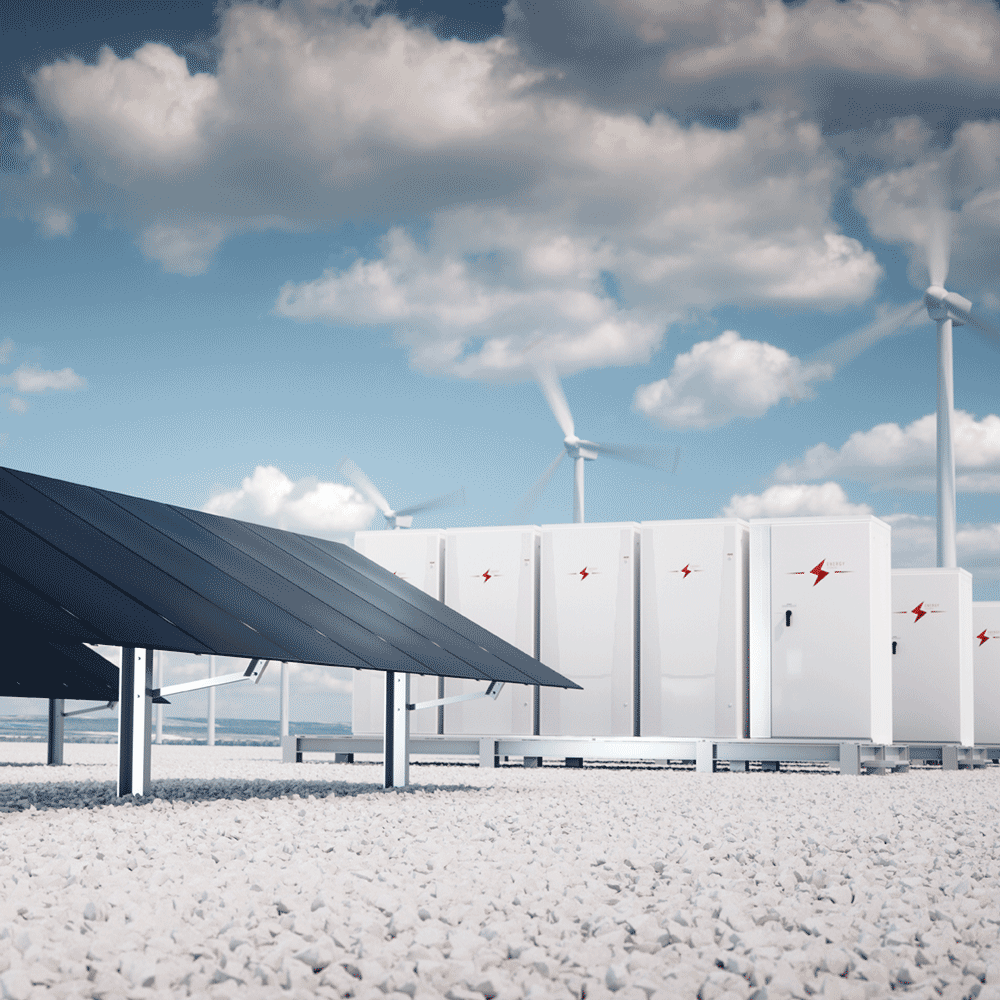
A Power Purchase Agreement (often referred to as a Corporate Power Purchase Agreement (CPPA), is typically a contractual agreement between your organisation and an renewable energy generator. It can, on occasion, also involve the energy supplier.
These long-term agreements involve an amount of renewable energy (such as solar or wind) being purchased at a fixed price over a set period of time.
Making sure you get the expert advice and support before entering your agreement
As Power Purchase Agreements (PPAs) are a long-term solution, often spanning between 5-20 years, it’s vital you have confidence in your decision and a full understanding on how the PPA will affect your organisation.
When considering whether a PPA is the right choice for your business, we are here to guide you on the PPA variations and offer solutions that fit your company requirements.

Content Section 2
Onsite
An on-site PPA is a contract where a power producer supplies electricity directly to you (the Offtaker/consumer) at the same location. This is commonly used for small-scale renewable energy projects like rooftop solar or carport installations.
Offsite
An off-site PPA is when the electricity is produced at a different location from where you are based. This agreement is typically applied to large-scale renewable energy projects where the electricity is sleeved into your electricity contract by the energy retail supplier.
Virtual
A virtual power purchase agreement (VPPA) is a financial arrangement which enables you to buy the renewable attributes of a project rather than the actual energy itself.
Portfolio
A portfolio PPA is a contract that allows a power purchaser to purchase electricity from a portfolio of renewable energy projects, rather than a single project, via an energy retail supplier. This type of PPA is often used by companies that are looking to increase their renewable energy options, but do not have the resources to develop their own projects.
2-Column Layout
- As independent consultants, we are here to help by providing you with the most suitable advice and solutions for your company
- For larger Offtakers we can support in procuring an agreement from the generator market (35GWh of PPA requirement)
- We can aggregate smaller Offtakers
- We can support you to complete a comprehensive PPA tender, whether that’s direct to a generator (subject to size), or to the supplier market
- We’re able to fully manage the supply contract once the PPA is in place
- We can deliver additional services such as our energy bureau offering and energy and carbon compliance support. Plus you will have access to our online portal and an ongoing account manager

Content Section 3
From energy procurement to emissions management to compliance certification, we provide bespoke solutions that are measurable and make a genuine difference to business success in countries around the world.
We understand that customers value an open and transparent approach at a time when overheads are tight for so many sectors. That’s why we are committed to bringing clarity to your expenditure, risk management and compliance strategies.
Our team currently operate across the UK, France, Germany, the Netherlands, South Africa and the USA. And our success is built on our commitment to customer service that keeps customers in control rather than hiding behind industry jargon or confusing contracts.
But don’t take our word for it; take a look at who we work with.
Internal Linking Cards


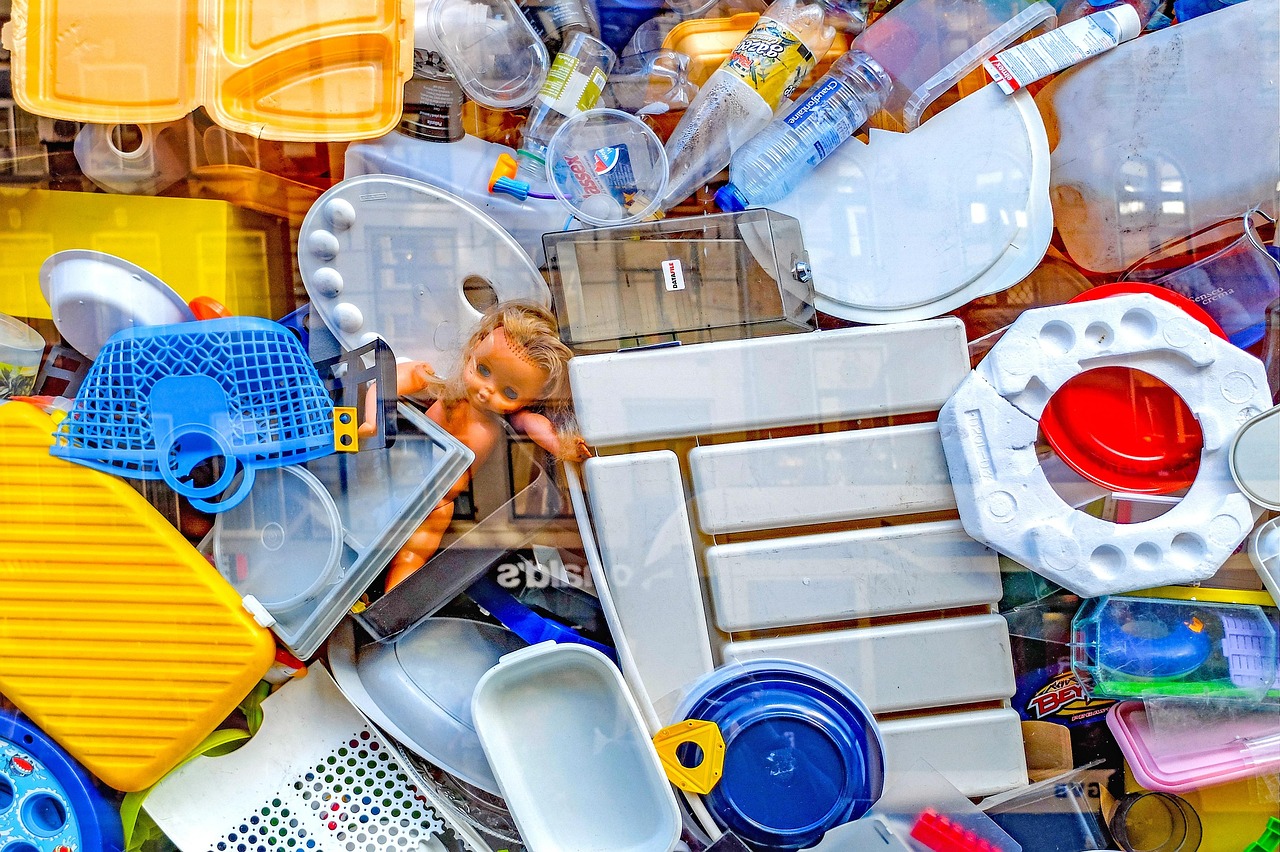

‘Dry’ Recycling Waste
Recyclable materials that are collected separately from general waste and do not contain organic matter or liquids.
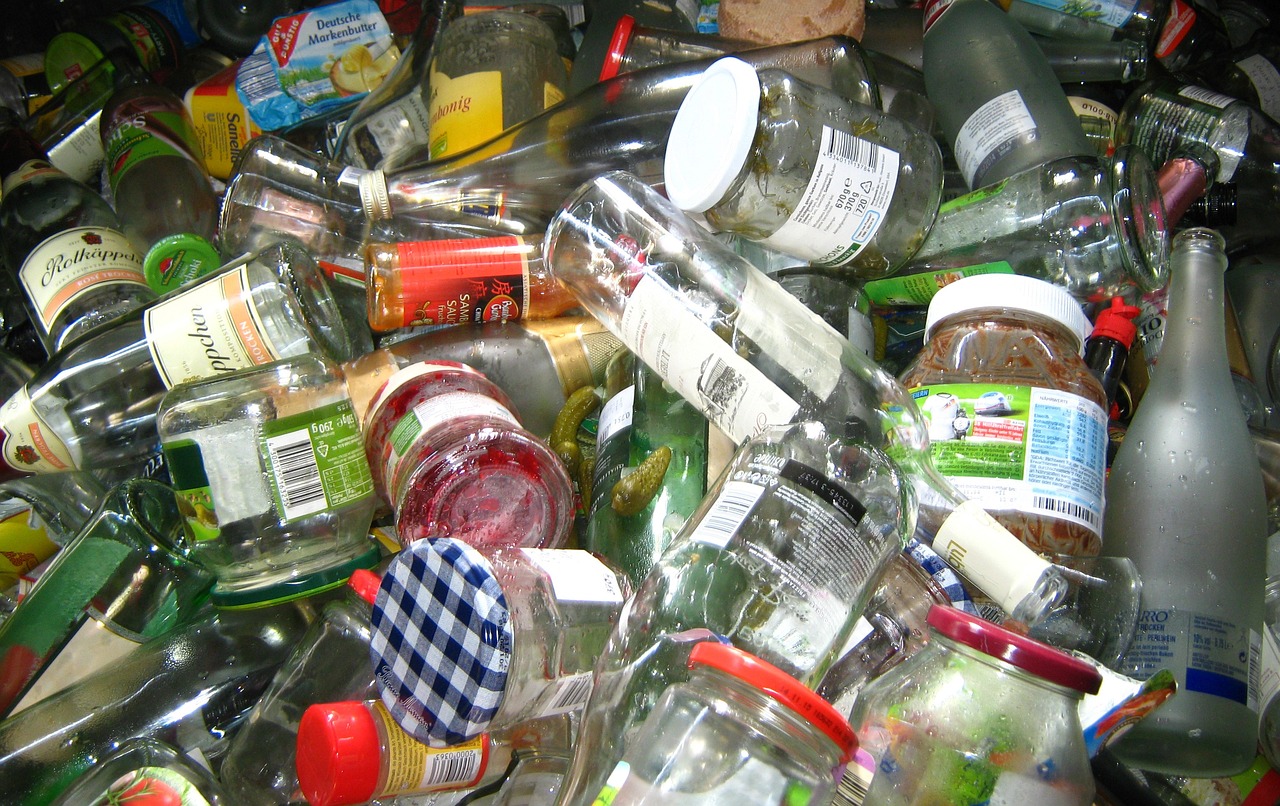



Clinical & Hazardous Waste
Waste materials generated from medical or healthcare facilities that pose potential risks to human health or the environment due to their infectious, toxic, or hazardous nature.


Food Waste
Food waste refers to any food that is discarded or lost, typically at any stage of the food supply chain, from production and processing to distribution, retail, and consumption.


Confidential Waste
Any documents or materials that contain sensitive or confidential information and require secure handling, storage, and disposal to prevent unauthorized access or disclosure.
Why Us Section




FAQs
Is carbon offsetting greenwashing?
Carbon offsetting can be seen as greenwashing if it creates a false impression of environmental responsibility without real emission reductions. Companies relying solely on offsets without meaningful changes risk this accusation. However, when combined with genuine efforts to reduce emissions, improve efficiency, and implement sustainable practices, offsetting can be a legitimate tool. The key is transparency, accountability, and a commitment to measurable carbon footprint reductions.
What are the most common carbon offset projects?
How much do carbon offsets cost?
Lorem ipsum dolor sit amet consectetur adipisicing elit. Provident, alias accusantium ipsum atque, omnis natus asperiores mollitia quos necessitatibus in, illum aliquam autem cum distinctio?
What is the Voluntary Carbon Market (VCM)?
Lorem ipsum dolor sit amet consectetur adipisicing elit. Provident, alias accusantium ipsum atque, omnis natus asperiores mollitia quos necessitatibus in, illum aliquam autem cum distinctio?
How many trees does it take to offset 1 tonne of carbon?
Lorem ipsum dolor sit amet consectetur adipisicing elit. Provident, alias accusantium ipsum atque, omnis natus asperiores mollitia quos necessitatibus in, illum aliquam autem cum distinctio?
Is carbon offsetting regulated in the UK?
Lorem ipsum dolor sit amet consectetur adipisicing elit. Provident, alias accusantium ipsum atque, omnis natus asperiores mollitia quos necessitatibus in, illum aliquam autem cum distinctio?
Check your eligibility and next steps

Step 1
Contact Us
Register your interest via our contact form.

Step 2
Confirm Your Eligibility
In partnership with Swift Charging we will assess your eligibility and the amount of funding you would receive.

Step 3
Receive Your Tailored Proposal
We send you a tailored proposal with the grant deducted.

Step 4
Installation
If you choose to proceed, our partners at Swift Charging will handle grant application, install and ongoing management or your charging system.
See how we can help you with your Power Purchase Agreements (PPAs)
Carbon offsetting benefits
-
Environmental impact
Climate mitigation: Reduces overall carbon footprint and combats climate change by supporting emission reduction projects.
Biodiversity protection: Preserves forests and ecosystems, enhancing biodiversity.
-
Regulatory compliance
Adherence to legislation: Helps comply with UK and international environmental regulations, avoiding fines.
-
Corporate Social Responsibility (CSR)
Reputation enhancement: Demonstrates sustainability commitment, boosting image and credibility.
Competitive edge: Attracts eco-conscious consumers and clients, differentiating from competitors.
-
Financial incentives
Tax benefits: Potential tax breaks for sustainable practices.
Cost savings: Long-term savings from energy efficiency and sustainability measures.
-
Market demand
Customer loyalty: Meets consumer demand for eco-friendly businesses, fostering loyalty.
Investor attraction: Appeals to socially responsible investors.
-
Employee engagement
Morale and retention: Improves employee morale and retention by showing environmental responsibility.
Talent attraction: Attracts employees who prefer sustainable companies.
Carbon offsetting negatives
-
Cost
Upfront investment: Significant initial cost for purchasing offsets.
Ongoing expenses: Continuous expenditure to maintain offsetting efforts.
-
Effectiveness and reliability
Quality concerns: Not all projects are equally effective.
Verification issues: Difficulty in verifying actual impact, risking greenwashing.
-
Public perception
Scepticism: Consumers may view offsetting as avoiding real emission reductions.
Greenwashing risk: Accusations of greenwashing if seen as avoiding genuine responsibility.
-
Operational focus
Short-term fix: May distract from sustainable long-term changes.
Dependency: Reliance on offsets instead of sustainable practices.
-
Market volatility
Fluctuations: Price and availability of offsets can be unstable, complicating financial planning.
-
Legal and ethical issues
Ethical concerns: Impact of projects on local communities and ecosystems.
Regulatory changes: Evolving regulations can introduce compliance risks.
Don’t take our word for it, see what our customers have to say
Our Suppliers


We manage more than...
Electricity
Gas
Sectors
Fixed
Fixed waste in a corporate business context refers to waste that is constant or recurring regardless of the level of business activity.
Flex
Flex waste in a corporate business context refers to waste that is variable and can change with the level of business activity.
Bureau
Specialized expertise, resources, and technology, allowing them to focus on their core competencies while leveraging external partners to support their operations and achieve their business objectives.

Why is it important?
Consultiv Utilities can help you get the most out of your business gas and electricity in the long run, by using our expertise to meet your requirements.
Why is it important?
Watch our latest webinar to find out.
